
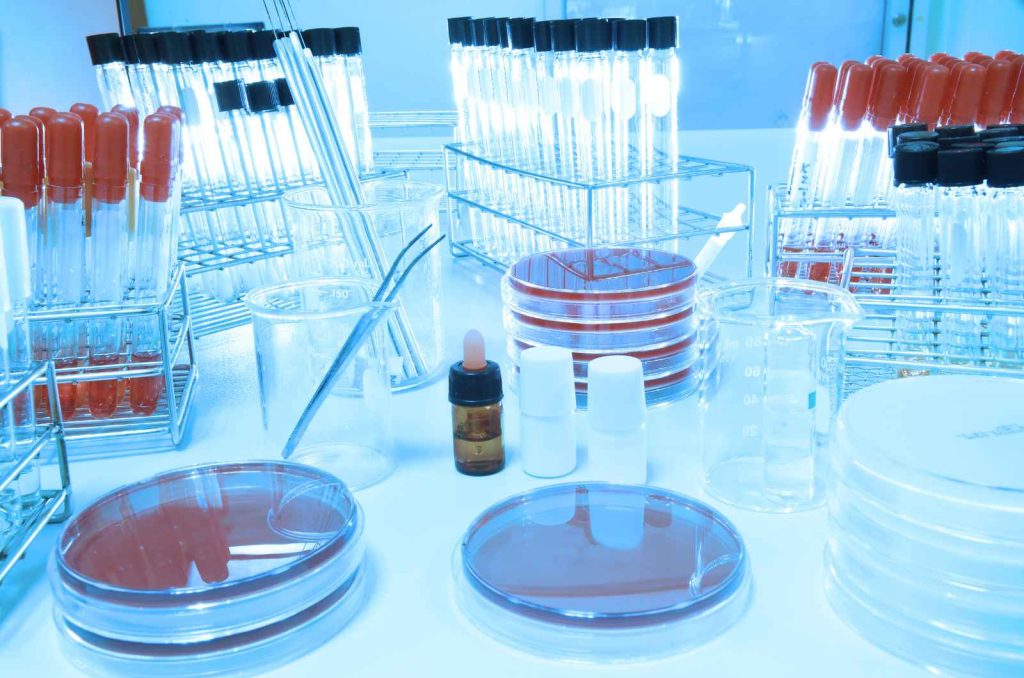
A modern cadaver laboratory combines advanced surgical equipment, sophisticated imaging technology, and carefully preserved human specimens to create comprehensive learning environments for healthcare professionals. These facilities provide the infrastructure necessary for both anatomical education and practical surgical skills development, featuring operating room-grade instrumentation, fluoroscopic imaging, and specialized preservation methods that maintain tissue quality approaching living conditions. The most effective cadaver labs integrate multiple educational modalities within controlled environments that meet rigorous safety and ethical standards.
?How Has Cadaver Preservation Technology Advanced
The evolution of cadaver preservation techniques has dramatically expanded the educational value that human specimens can provide. Traditional embalming methods using formalin-based solutions effectively preserve tissue for extended periods but fundamentally alter tissue characteristics. The resulting specimens, while suitable for anatomical demonstration, lack the realistic properties needed for surgical skills training. Modern preservation approaches have addressed these limitations through innovative methodologies.
Fresh frozen preservation represents one of the most significant advances in cadaver science. This method maintains natural tissue properties including appropriate resistance, elasticity, and color. According to published research in the Anatomical Sciences Education journal, fresh frozen cadavers receive consistently high satisfaction ratings from surgical trainees due to their realistic texture, capability of reenacting actual operations, and accuracy of anatomical locations. The preparation process typically involves washing, irrigation, freezing, defrosting, and sometimes arterial infusion, with each step contributing to optimal specimen quality.
Alternative preservation techniques have also emerged to address specific training needs. Thiel embalming solutions containing formalin and propylene glycol produce specimens with enhanced flexibility and natural coloration. Soft-preserved cadavers prepared with phenol, alcohol, and glycerol offer intermediate characteristics suitable for certain educational applications. Each preservation method presents distinct advantages depending on the intended training purposes and facility requirements.
?What Imaging Equipment Do Modern Cadaver Labs Require
Contemporary surgical practice relies heavily on intraoperative imaging, making the integration of these technologies into training environments essential. C-arm fluoroscopy systems provide real-time radiographic visualization during procedures, allowing trainees to develop skills in image-guided techniques within the cadaver laboratory. This capability proves particularly valuable for orthopedic procedures, spinal interventions, and vascular approaches where fluoroscopic guidance is standard clinical practice.
Pre-procedural imaging capabilities enhance educational value by enabling detailed anatomical assessment before training begins. Computed tomography scanning reveals internal structures, pathological conditions, and anatomical variations that inform procedural planning. Magnetic resonance imaging provides soft tissue detail valuable for certain surgical specialties. Facilities with these diagnostic capabilities can match specimens to specific educational objectives and allow trainees to practice the complete surgical workflow from imaging review through procedure completion.
?Which Surgical Instruments and Systems Should Labs Provide
Effective cadaver laboratories replicate actual operating room environments through comprehensive surgical instrumentation. Standard open surgical instruments including scalpels, retractors, clamps, and suturing equipment form the foundation of any training facility. However, modern surgical practice increasingly emphasizes minimally invasive approaches, requiring laboratories to invest in specialized equipment systems.
Laparoscopic training necessitates complete endoscopic systems including cameras, monitors, insufflation equipment, and specialized instruments. The learning curve for minimally invasive surgery presents particular challenges that cadaveric practice helps address. Studies confirm that simulation-based training using fresh frozen cadavers has construct validity for laparoscopic skills development, with novice surgeons demonstrating significant improvement through structured practice programs. Arthroscopic systems similarly require dedicated equipment for joint surgery training.
Microsurgical training demands specialized optical equipment including operating microscopes with appropriate magnification and illumination. Hand surgery, neurosurgery, and reconstructive procedures require precise visualization and instrument manipulation that only dedicated microscopy systems can provide. Ultrasound equipment has become increasingly important for image-guided procedures and has proven effective for cadaveric training applications.
?How Do Cadaver Labs Support Medical Device Development
Beyond surgical education, cadaver laboratories serve essential functions in medical device research and development. The preclinical testing phase of device development requires evaluation in realistic anatomical conditions before progression to clinical trials. According to the National Institutes of Health published research, cadaveric training addresses challenges in surgical education and device validation that other methods cannot fully resolve.
Human cadaver models bridge gaps between early prototype testing and clinical applications by allowing researchers to validate device safety, performance, and usability in authentic anatomical environments. Cardiovascular devices can be evaluated in calcified vasculature conditions. Orthopedic implants undergo biomechanical testing under realistic loading scenarios. Neurosurgical instruments can be assessed near delicate structures where precision is critical. The data generated through cadaveric testing often provides predictability of clinical performance that equals or exceeds what animal studies can offer.
?What Safety and Regulatory Standards Apply to Cadaver Facilities
Cadaver laboratories operate within comprehensive regulatory frameworks that ensure both safety and ethical compliance. Health authority oversight typically addresses specimen acquisition, storage, handling procedures, and final disposition. Facilities must maintain documentation demonstrating proper consent processes, chain of custody, and adherence to established protocols throughout the educational or research use period.
Biosafety considerations require specific infrastructure elements and operational procedures. Proper ventilation systems protect personnel from chemical exposures associated with preservation solutions. Personal protective equipment protocols address potential biological hazards. Waste management procedures ensure appropriate handling of biological materials. Regular safety training maintains staff competency in all relevant protocols. Facilities that achieve compliance with these requirements can conduct educational and research activities with confidence in their operational foundations.
How Do Training Programs Structure Cadaveric Educational Experiences?
Effective cadaver laboratory programs combine didactic instruction with hands-on practice in structured formats that maximize learning efficiency. Workshop formats typically range from one to five days, with participants spending substantial time directly engaged with specimens. Faculty-to-student ratios influence educational quality significantly, with smaller groups receiving more individualized instruction and feedback. According to institutional data, healthcare professionals earn substantial continuing medical education credits through cadaveric workshop participation.
Program design often begins with anatomical review sessions that establish foundational knowledge before procedural practice begins. Demonstration of techniques by experienced surgeons followed by supervised practice allows progressive skill development. Video recording capabilities enable debriefing sessions where participants can review their performance and identify improvement opportunities. This combination of instruction modalities creates comprehensive educational experiences that efficiently advance clinical capabilities.
?What Distinguishes Excellence in Cadaver Laboratory Facilities
Outstanding cadaver laboratories differentiate themselves through multiple factors beyond basic equipment and specimen availability. The collaborative surgical environment that enables productive interaction among researchers, trainees, and experienced practitioners creates educational value exceeding what equipment alone can provide. Trained staff assistance throughout procedures ensures efficient facility utilization and appropriate guidance during practice sessions.
Specimen selection and matching capabilities significantly influence training relevance. The ability to identify donors with specific characteristics, pathological conditions, or anatomical features relevant to particular educational objectives ensures that practice sessions address intended learning goals. Pre-procedure imaging and medical history documentation allow educators to design targeted training experiences that address specific competency development needs.
Comprehensive Cadaver Lab Services in Israel
biotechanatomy operates a state-of-the-art cadaver laboratory facility in Rehovot, Israel, providing comprehensive services for practical anatomy education and surgical skills training. Since 2017, the organization has supported medical practitioners, research teams, and medical device companies through its collaborative surgical environment designed for investigation, procedural practice, learning, and improvement of both surgical techniques and medical devices in pre-clinical stages.
The facility offers complete support throughout the research and training process under Ministry of Health supervision. Services include donor recruitment with matching of appropriate specimens to specific research needs, pre-procedure scanning using CT and MRI imaging, facility and venue preparation, trained staff assistance during all studies, and proper treatment of remains following completion. Fresh frozen organs are imported according to research requirements, ensuring tissue quality that supports realistic procedural practice. The laboratory equipment includes C-arm fluoroscopy, laparoscopic systems, and complete surgical instrumentation across specialties including neurosurgery, orthopedics, spinal surgery, ophthalmology, and minimally invasive procedures.
The Future of Cadaver Laboratory Education
Modern cadaver laboratories represent essential infrastructure for advancing surgical education and medical device development. The combination of preserved human specimens, sophisticated imaging and surgical equipment, and structured educational programming creates learning environments that prepare healthcare professionals for clinical excellence. As surgical techniques continue advancing and patient safety expectations increase, investment in high-quality cadaver laboratory facilities becomes increasingly important. These facilities honor the generous contributions of body donors by maximizing the educational impact of their gift while maintaining the highest ethical standards. The continued development of cadaver laboratory capabilities directly supports improved healthcare outcomes for patients worldwide.